Rustic tiles are a type of retro-themed ceramic tile, mainly suitable for traditional Chinese-style and European-style interiors. Essentially a variant of glazed tiles, they captivate people with their unique classical charm. The production of rustic tiles requires relatively high technical expertise: after being pressed by a hydraulic machine of thousands of tons, they are sintered at a high temperature of over 1,000 degrees Celsius, resulting in exceptional strength and superior wear resistance. Additionally, through sophisticated research and development, these tiles possess excellent water resistance, slip resistance, and corrosion resistance.
Rustic tiles have the following advantages:
1.The patterns and designs of rustic tiles are highly similar to real objects, and their overall size is relatively large, making them very suitable for areas such as kitchens, bathrooms, and living rooms.
2.Rustic tiles have extremely high water absorption—they are the most absorbent among all flooring materials—yet they do not deform. They are most commonly used in bathrooms and kitchens because this prevents water accumulation.
3.They boast excellent stain resistance, especially in areas with heavy oil contamination; using rustic tiles eliminates any worries about stains.
4.Their wear resistance and slip resistance are extremely strong. This is because a glaze is applied to their surface, which gives the tile a textured finish with greater friction. They are widely used in places such as bus stations, parks, and libraries.
Rustic tiles belong to the category of architectural ceramics and are mainly used for interior and exterior decoration of buildings. With the continuous expansion of their application scope and the evolving demands of user groups, different requirements have been put forward for functions such as slip resistance, wear resistance, stain resistance and self-cleaning, antibacterial properties, antistatic performance, and light-changing effects. This has led to the development of a series of rustic tiles with special functions. For example, through dry glazing, high-temperature dry granular application, and surface modification, rustic tiles with excellent slip resistance and wear resistance have been developed; self-cleaning glazes endow the tiles with superior stain resistance and self-cleaning capabilities; the application of semiconductor glazes, pearlescent glazes, and polarizing glazes has derived antistatic functional tiles and those with light-changing effects.
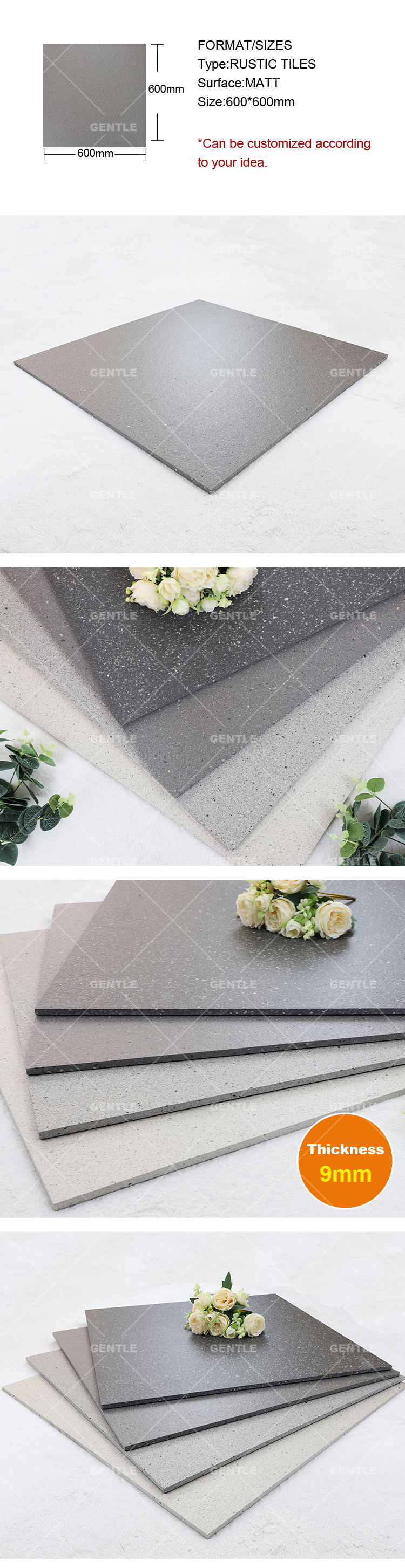
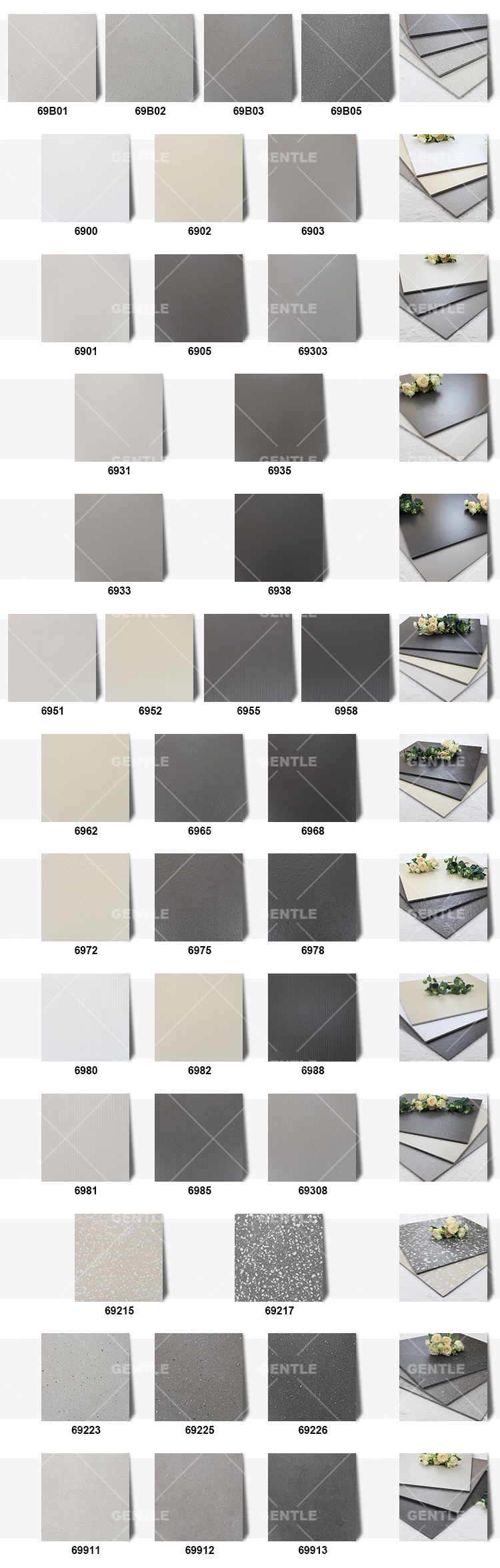
Rustic tiles are a type of retro-themed ceramic tile, mainly suitable for traditional Chinese-style and European-style interiors. Essentially a variant of glazed tiles, they captivate people with their unique classical charm. The production of rustic tiles requires relatively high technical expertise: after being pressed by a hydraulic machine of thousands of tons, they are sintered at a high temperature of over 1,000 degrees Celsius, resulting in exceptional strength and superior wear resistance. Additionally, through sophisticated research and development, these tiles possess excellent water resistance, slip resistance, and corrosion resistance.
Rustic tiles have the following advantages:
1.The patterns and designs of rustic tiles are highly similar to real objects, and their overall size is relatively large, making them very suitable for areas such as kitchens, bathrooms, and living rooms.
2.Rustic tiles have extremely high water absorption—they are the most absorbent among all flooring materials—yet they do not deform. They are most commonly used in bathrooms and kitchens because this prevents water accumulation.
3.They boast excellent stain resistance, especially in areas with heavy oil contamination; using rustic tiles eliminates any worries about stains.
4.Their wear resistance and slip resistance are extremely strong. This is because a glaze is applied to their surface, which gives the tile a textured finish with greater friction. They are widely used in places such as bus stations, parks, and libraries.
Rustic tiles belong to the category of architectural ceramics and are mainly used for interior and exterior decoration of buildings. With the continuous expansion of their application scope and the evolving demands of user groups, different requirements have been put forward for functions such as slip resistance, wear resistance, stain resistance and self-cleaning, antibacterial properties, antistatic performance, and light-changing effects. This has led to the development of a series of rustic tiles with special functions. For example, through dry glazing, high-temperature dry granular application, and surface modification, rustic tiles with excellent slip resistance and wear resistance have been developed; self-cleaning glazes endow the tiles with superior stain resistance and self-cleaning capabilities; the application of semiconductor glazes, pearlescent glazes, and polarizing glazes has derived antistatic functional tiles and those with light-changing effects.


